
Career Reality Check: Skills That Actually Matter After 5 Years
Introduction:
The first few years of a tech career are about learning fast. New frameworks, new tools, new patterns — everything feels urgent and important. After five years, something changes. The skills that once felt critical start losing their edge, while others quietly become far more valuable.
This shift often surprises engineers. People keep doubling down on tools and technologies, only to realize later that those weren’t the skills holding them back. Career growth after a certain point is less about what you know and more about how you think and operate.
This is a reality check for that phase.
Technical Depth Still Matters — But Breadth Stops Helping:
Early careers reward breadth. Knowing a little about many things helps you move faster and adapt. After five years, shallow breadth stops differentiating you.
What starts to matter is depth in a few key areas. Teams trust engineers who understand systems deeply enough to predict failure modes, trade-offs, and long-term consequences. This kind of depth can’t be faked with surface-level familiarity.
Depth doesn’t mean specialisation at all costs. It means knowing why things work, not just how to use them.
Problem Framing Becomes More Valuable Than Problem Solving:
Junior engineers are often evaluated on how quickly they can solve a given problem. More experienced engineers are judged on whether they’re solving the right problem in the first place.
Poorly framed problems waste weeks of effort. Well-framed ones make solutions obvious. The ability to clarify requirements, challenge assumptions, and narrow scope saves more time than any optimisation.
After five years, your value increasingly comes from preventing unnecessary work, not just completing assigned tasks.
Communication Starts Driving Impact:
Strong communication isn’t about talking more. It’s about reducing confusion.
As systems grow and teams scale, misunderstandings become expensive. Engineers who can explain decisions clearly, write useful documentation, and align stakeholders create leverage far beyond their individual output.
This is also where many careers stall. People assume good work speaks for itself. In reality, work only matters if others understand and trust it.
Understanding Systems Beats Mastering Tools:
Tools change constantly. Systems don’t.
After a few years, engineers start seeing the same patterns repeat across technologies — data flows, failure modes, dependencies, bottlenecks. Recognising these patterns allows you to adapt quickly, even when tools change.
Engineers who focus only on tools often feel behind. Engineers who understand systems stay relevant longer.
Ownership Separates Seniors From Mid-Level Engineers:
At some point, delivering tasks is no longer enough. What matters is whether you take responsibility for outcomes.
Ownership means thinking beyond tickets. It includes considering edge cases, long-term maintenance, operational impact, and user experience. It also means stepping in when things break, even if it wasn’t “your part.”
Teams rely on engineers who act like owners. Careers accelerate for the same reason.
Decision-Making Under Uncertainty Becomes a Core Skill:
Real-world engineering rarely offers perfect information. Trade-offs are unavoidable, timelines are tight, and requirements shift.
After five years, growth depends on how well you make decisions with incomplete data. Waiting for certainty often costs more than making a reasonable call and adjusting later.
Good engineers don’t eliminate risk. They manage it consciously.
Learning How to Learn Matters More Than Learning Fast:
The pace of change doesn’t slow down after five years — it accelerates. The difference is how you respond to it.
Instead of chasing every new trend, experienced engineers learn selectively. They evaluate what’s worth investing time in and what can be safely ignored. This filtering skill protects focus and prevents burnout.
Sustainable careers are built on intentional learning, not constant reaction.
Why Many Careers Plateau Around This Stage:
Most plateaus aren’t caused by lack of intelligence or effort. They happen because engineers keep optimising the skills that helped early on, even when those skills stop producing returns.
More tools, more certifications, more frameworks — none of these fix gaps in decision-making, communication, or ownership. Until those gaps are addressed, progress feels stalled.
The transition after five years is less about upgrading skills and more about changing what you value.
Conclusion:
Careers don’t stall because engineers stop learning. They stall because they keep learning the wrong things.
After five years, impact comes from depth, judgment, and ownership. The engineers who grow are the ones who understand systems, communicate clearly, and make thoughtful decisions under uncertainty.
Technical skills still matter. They just stop being the whole story.
 Free PDF on this topic
AI/ML Interview Questions
Your essential prep kit for AI/ML interviews.
Free PDF on this topic
AI/ML Interview Questions
Your essential prep kit for AI/ML interviews.
Enjoyed this post?
Stay in the loop
New posts + weekly digest, straight to your inbox.
Create a free account
- Save posts to your vault
- Like posts & build history
- New-post alerts
Comments
Add Your Comment
Related Posts
Career Realities: Why Debugging Is the Core Skill of Senior Engineers
44
Career Realities: The Truth About Becoming a Staff Engineer
135
Career Realities: Choosing Boring Technology — A Senior Engineer’s Advantage
154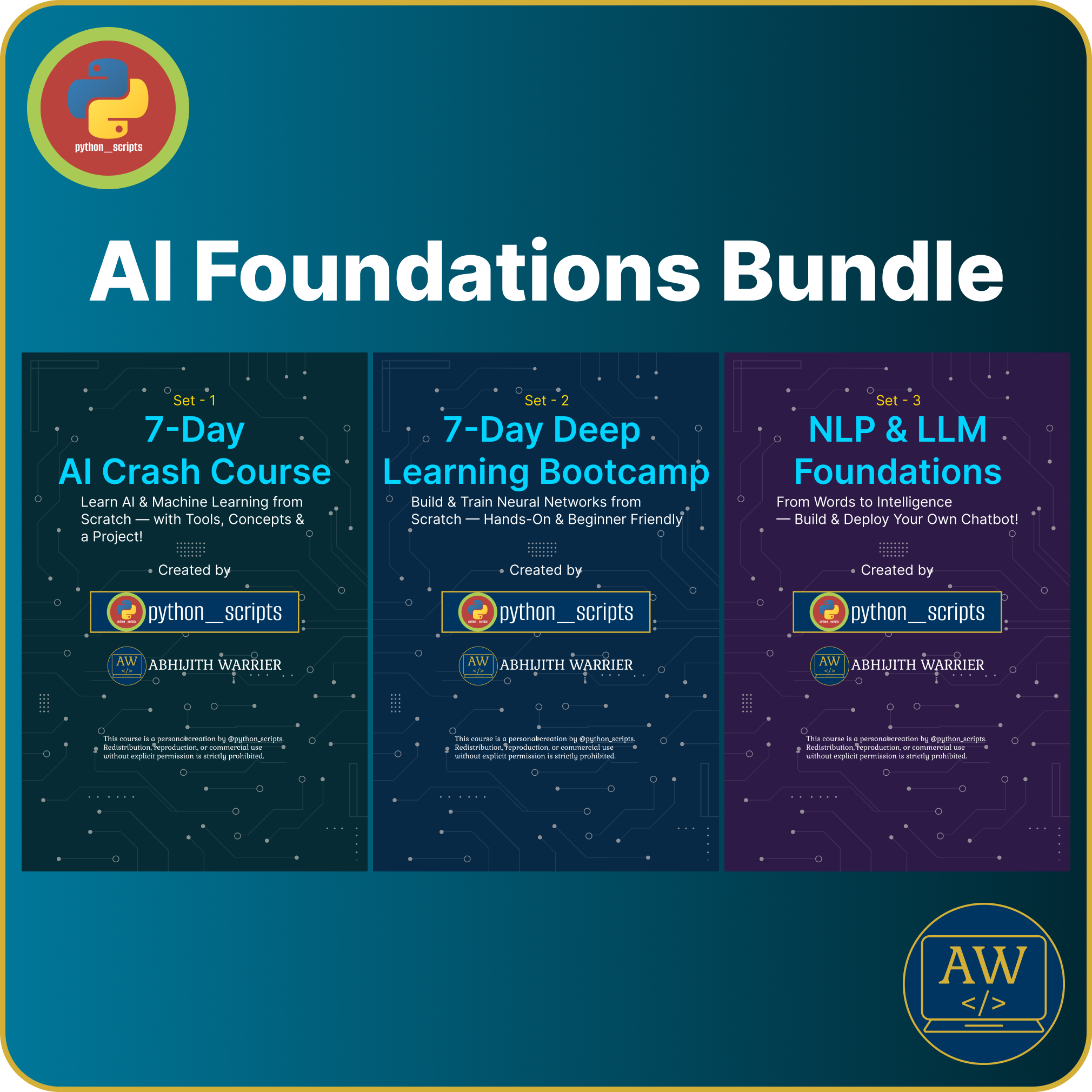
AI Foundations Bundle — From AI Basics to Deep Learning & NLP
Learn AI the right way — from core concepts to deep learning and language models, all in one structured bundle.
Ideal for beginners and developers who want a complete AI roadmap without confusion.
No comments yet. Be the first to comment!