Architecture Realities: Scaling Isn’t the Hard Part – Maintaining Systems Is
Introduction:
Scaling gets most of the attention in engineering conversations. Traffic graphs, load tests, and capacity planning dominate discussions about system growth. Teams celebrate when systems survive peak loads.
What gets far less attention is what happens after scaling works.
Once a system is scaled, the real challenge begins: keeping it reliable, understandable, and changeable over time.
Scaling Is a Milestone, Not the Destination:
Scaling is often treated as proof of success. The system handles more users, more data, more requests — and that’s important.
But scaling is a one-time achievement. Maintenance is continuous.
After scale is reached, teams still need to ship features, fix bugs, respond to incidents, and onboard new engineers. If the system becomes harder to operate with every change, scale becomes a burden rather than a win.
Operational Complexity Grows Quietly:
As systems grow, operational work expands in subtle ways.
More services mean more alerts. More dependencies mean more failure paths. More data means more edge cases. None of this feels dramatic day-to-day, but it accumulates.
Teams often realize too late that they spend more time managing the system than improving it.
Knowledge Becomes the Bottleneck:
At scale, the biggest risk is no longer infrastructure — it’s understanding.
When systems evolve quickly without enough consolidation, knowledge fragments. Only a few people understand certain components. Debugging becomes slow, not because the problem is complex, but because context is missing.
Maintenance suffers when systems depend on tribal knowledge instead of shared understanding.
Change Becomes Riskier Than It Should Be:
Healthy systems make change routine. Fragile systems make change scary.
When every deployment risks unexpected side effects, teams hesitate. Small improvements get delayed. Workarounds replace fixes. Technical debt grows quietly.
This isn’t a scaling failure — it’s a maintenance failure.
Monitoring and Tooling Don’t Fix Design Problems:
Teams often respond to maintenance pain by adding more tooling.
More dashboards, more alerts, more automation. While these help, they don’t fix underlying design issues. Tooling can surface problems, but it can’t simplify systems that are already too complex.
Good maintenance starts with systems that are easy to reason about.
Maintenance Is Where Architecture Is Tested:
Architecture choices don’t reveal their quality during launch. They reveal it months or years later.
Questions like:
- How easy is it to change behaviour?
- How quickly can failures be understood?
- How safely can new engineers contribute?
These are maintenance questions, not scaling questions.
Why Teams Underestimate Maintenance Costs:
Maintenance work isn’t glamorous. It doesn’t show up in demos or metrics easily. Success looks like nothing going wrong.
As a result, teams prioritise visible growth over invisible stability — until instability becomes unavoidable.
By then, fixing maintenance issues is far more expensive.
Designing Systems That Age Well:
Systems that maintain well tend to share common traits:
- clear boundaries
- predictable behaviour
- boring, well-understood components
- reversible decisions
These qualities don’t slow scaling. They make it survivable.
Conclusion:
Scaling proves that a system can grow. Maintenance proves that it can last.
The hardest part of engineering isn’t handling peak load — it’s building systems that teams can understand, operate, and evolve long after the excitement of scale fades.
Sustainable systems aren’t just scalable. They’re maintainable.
Comments
Add Your Comment
Related Posts
Architecture Realities: Why Simpler Architectures Often Win at Scale
0 32
Architecture Realities: Designing Systems for Teams, Not Just Traffic
0 79
Architecture Realities: When Micro-services Hurt More Than They Help
0 75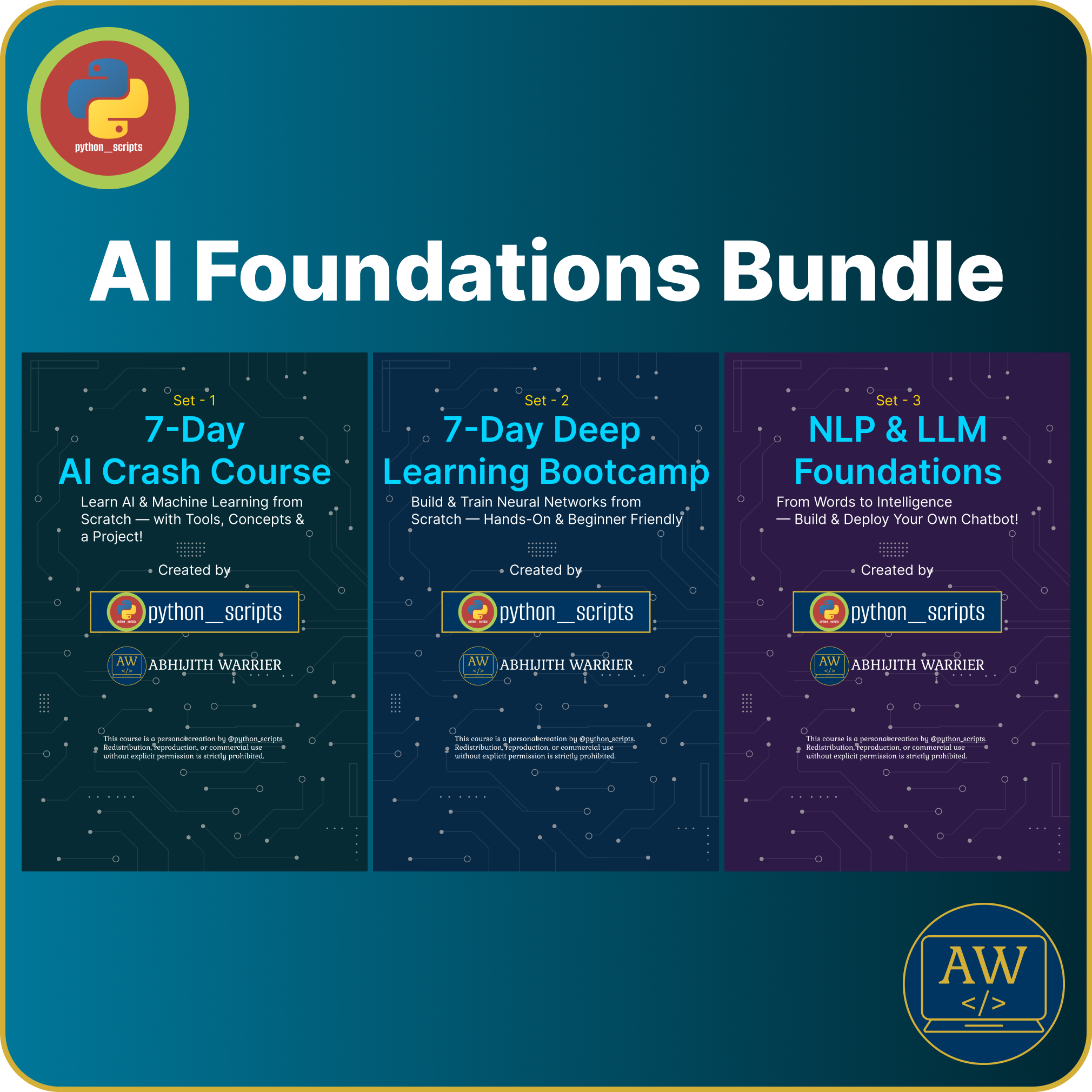
AI Foundations Bundle — From AI Basics to Deep Learning & NLP
Learn AI the right way — from core concepts to deep learning and language models, all in one structured bundle.
Ideal for beginners and developers who want a complete AI roadmap without confusion.
No comments yet. Be the first to comment!