
AWS in Production: Cloud Governance — Balancing Speed, Cost, and Control
Introduction:
Cloud adoption promises speed. Teams can provision infrastructure in minutes, deploy globally, and experiment without waiting for procurement cycles. That agility is one of the cloud’s biggest strengths.
But without governance, speed becomes chaos.
Costs spike unexpectedly. Security gaps appear. Environments drift apart. Governance is often misunderstood as bureaucracy, when in reality it’s the structure that allows teams to move quickly without losing control.
Cloud governance is not about slowing teams down. It’s about making scale sustainable.
Speed Without Guardrails Creates Fragility:
In early cloud environments, teams often operate with maximum freedom.
Accounts multiply. Resources are provisioned ad hoc. Naming conventions vary. Access permissions expand informally. For a while, nothing appears broken.
As usage grows, this lack of structure turns into friction. Troubleshooting becomes difficult. Ownership is unclear. Cost visibility declines. What felt like speed begins to feel unstable.
Governance exists to prevent that drift.
Cost Is Usually the First Wake-Up Call:
Many organisations discover governance gaps through billing surprises.
Untracked resources, idle environments, over-provisioned instances, and uncontrolled experimentation all accumulate quietly. By the time leadership notices, remediation becomes urgent and reactive.
Effective governance introduces cost visibility early — through tagging standards, budgets, and ownership — without blocking experimentation.
Control Does Not Mean Centralisation:
Governance is often equated with centralised approval processes. This slows teams and breeds workarounds.
Modern cloud governance works differently. It defines guardrails — boundaries within which teams can move freely.
Examples include:
- account-level policies
- predefined networking patterns
- restricted IAM roles
- automated compliance checks
The goal is to shift control into infrastructure, not meetings.
Multi-Account Strategy Is Foundational:
In AWS, governance often starts with account structure.
Separating environments, business units, and workloads across accounts reduces blast radius and clarifies ownership. Combined with organisational units and service control policies, this structure creates enforceable boundaries.
Without this foundation, governance efforts become patchwork.
Identity Is the Core of Governance:
IAM design determines how safely teams can operate.
Overly broad permissions undermine security. Overly restrictive ones slow productivity. Finding the balance requires thoughtful role design, least-privilege enforcement, and periodic review.
Identity mismanagement is often the root cause of both security and operational incidents.
Automation Is Governance’s Multiplier:
Manual governance doesn’t scale.
Policies enforced through automation — via infrastructure-as-code, CI/CD checks, and automated compliance scans — reduce friction and inconsistency. When governance is embedded in deployment pipelines, it becomes part of the workflow instead of an obstacle.
Automation transforms governance from oversight into enablement.
Governance Must Evolve With the Organization:
Early-stage companies need lighter governance than mature enterprises. As teams grow, requirements expand — compliance, auditability, cost accountability, and separation of duties become more critical.
Governance that doesn’t evolve either becomes too rigid or too weak.
The right balance changes over time.
The Trade-off: Speed vs Stability Is False:
Governance is often framed as trading speed for safety.
In reality, well-designed governance increases speed over the long term. It reduces firefighting, clarifies ownership, and prevents costly reversals.
Teams move faster when they don’t have to guess what’s allowed.
Common Governance Mistakes:
Governance efforts often fail because they:
- rely on documentation instead of enforcement
- focus only on cost and ignore security
- centralize decisions unnecessarily
- introduce friction without automation
These mistakes create resistance instead of alignment.
Conclusion:
Cloud governance is not about limiting teams. It’s about enabling sustainable growth.
Balancing speed, cost, and control requires intentional design — from account structure to IAM policies to automated guardrails. Organisations that invest early in governance avoid painful corrections later.
In the cloud, freedom without structure becomes fragility. Governance is what turns agility into durability.
Comments
Add Your Comment
Related Posts
AWS in Production: AWS Cost Anomalies — Detecting Spikes Before Finance Does
0 23
AWS Architecture: Multi-Region Data Consistency — What Breaks First
0 86
AWS in Production: The Services That Quietly Cost the Most
0 60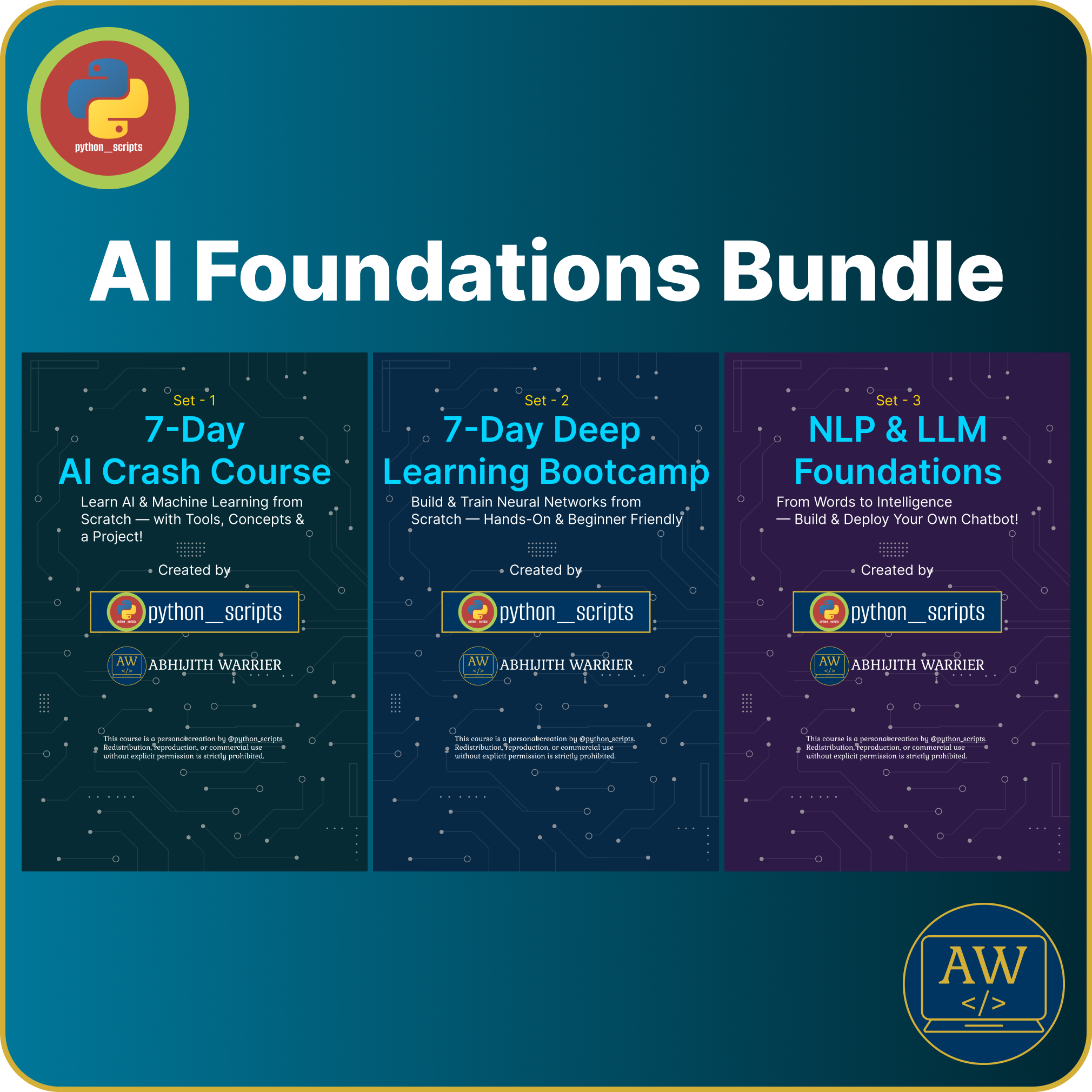
AI Foundations Bundle — From AI Basics to Deep Learning & NLP
Learn AI the right way — from core concepts to deep learning and language models, all in one structured bundle.
Ideal for beginners and developers who want a complete AI roadmap without confusion.
No comments yet. Be the first to comment!