Engineering Decisions: Measuring Developer Productivity Without Vanity Metrics
Introduction:
Measuring developer productivity has always been difficult.
Unlike manufacturing, software work is not linear or repetitive. Progress is uneven, problems are ambiguous, and impact is often delayed. Despite this, organisations still try to quantify productivity using simple metrics.
Lines of code, number of commits, tickets closed — these are easy to track, but they rarely reflect meaningful progress. In many cases, they create incentives that work against real productivity.
The challenge isn’t measuring activity. It’s measuring impact.
Why Vanity Metrics Persist:
Vanity metrics are attractive because they are simple.
They provide numbers that can be tracked, compared, and reported. Leaders can see trends, set targets, and create dashboards.
The problem is that these metrics measure output, not value. More code doesn’t mean better systems. More tickets don’t mean meaningful progress.
When teams optimise for these metrics, they optimise for visibility, not effectiveness.
Productivity Is About Flow, Not Volume:
High-performing teams focus on flow.
How quickly can work move from idea to production? How often can changes be deployed safely? How long does it take to recover from failures?
These questions reflect how efficiently a system operates, not how much activity it generates.
Flow-based thinking aligns better with real engineering outcomes.
Context Matters More Than Counts:
Raw numbers lack context.
Ten commits in a day might represent meaningful progress — or unnecessary churn. Closing multiple tickets could indicate efficiency — or fragmentation of work into smaller units.
Without understanding the context behind the numbers, metrics become misleading.
Good measurement focuses on patterns, not isolated counts.
Quality Is Part of Productivity:
Speed without quality creates long-term cost.
Systems that ship quickly but accumulate defects, instability, or technical debt eventually slow down. Productivity must include the ability to sustain change without breaking systems.
This means considering:
- reliability
- maintainability
- ease of future changes
True productivity balances speed with durability.
Collaboration Is Often Invisible but Critical:
Some of the most valuable contributions are not directly measurable.
Helping a teammate debug an issue, improving documentation, refining system design, or simplifying a workflow all increase team productivity.
These contributions rarely show up in metrics, but their impact is significant.
Metrics Should Guide, Not Control:
Metrics are useful when they provide insight. They become harmful when they become targets.
When developers are evaluated strictly on metrics, behaviour changes. Teams may optimise for numbers instead of outcomes, leading to unintended consequences.
Metrics should inform decisions, not dictate them.
Better Signals to Watch:
Instead of vanity metrics, teams can observe signals that reflect system health and team effectiveness.
These include:
- lead time from idea to production
- deployment frequency
- change failure rate
- time to recover from incidents
These metrics capture how well systems and teams operate together.
Productivity Is a System Property:
Developer productivity is not an individual trait.
It emerges from:
- system architecture
- tooling
- processes
- team structure
Improving productivity often means improving the environment in which developers work, not pushing individuals to do more.
Conclusion:
Measuring developer productivity requires moving beyond simple counts and visible activity.
The focus should be on flow, quality, and system-level outcomes. Teams that prioritise meaningful signals over vanity metrics build systems that evolve more smoothly and sustainably.
Productivity is not about doing more work. It’s about enabling better work.
Comments
Add Your Comment
Related Posts
Production Engineering: Postmortems That Actually Change Behaviour
0 21
Engineering Management Realities: Scaling Engineering Teams Without Slowing Down
0 36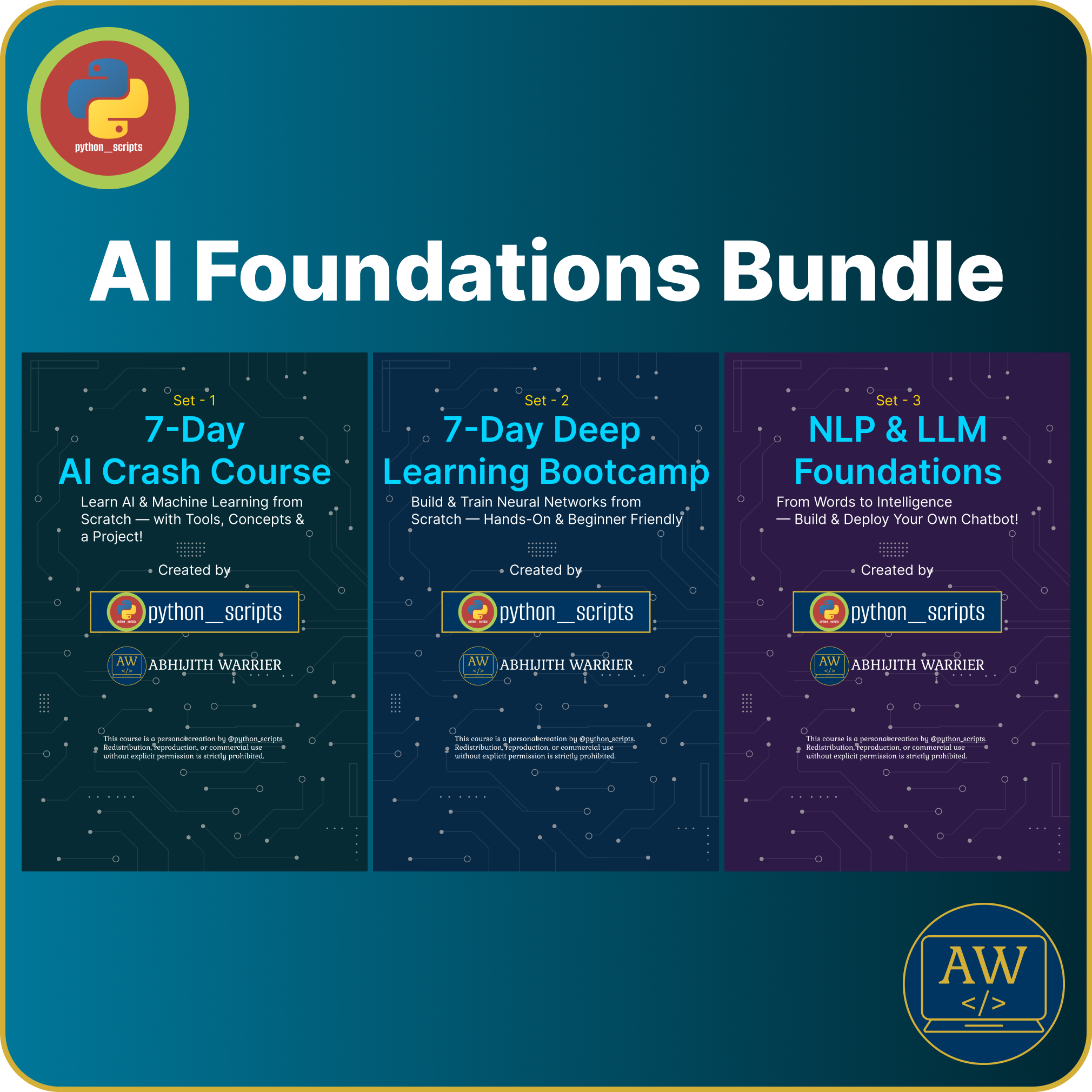
AI Foundations Bundle — From AI Basics to Deep Learning & NLP
Learn AI the right way — from core concepts to deep learning and language models, all in one structured bundle.
Ideal for beginners and developers who want a complete AI roadmap without confusion.
No comments yet. Be the first to comment!