Production Engineering: What Incident Timelines Don’t Show
Introduction:
Incident timelines are one of the most common artifacts in post-incident analysis.
They show when alerts fired, when engineers responded, when mitigation began, and when systems recovered. Timelines provide structure and help teams reconstruct what happened.
But timelines only tell part of the story.
What they capture is sequence. What they often miss is context, confusion, and decision-making under pressure — the factors that truly shape incident outcomes.
Timelines Capture Events, Not Understanding:
A timeline shows what happened and when.
It does not show what engineers knew at each moment. During incidents, information is incomplete, signals are noisy, and initial assumptions are often wrong.
The gap between “what happened” and “what was understood at the time” is where most delays occur.
Detection Is Often Slower Than It Appears:
Timelines usually mark the first alert as the start of detection.
In reality, signals often appear earlier:
- slight latency increases
- unusual traffic patterns
- minor error spikes
These early signals may be missed, ignored, or not recognised as significant. By the time an alert fires, the issue may have already progressed.
Timelines compress this delay into a single timestamp.
Diagnosis Is a Process of Elimination:
Timelines often show a clear path from detection to resolution.
In practice, diagnosis is messy.
Engineers explore multiple hypotheses, many of which turn out to be wrong. They check logs, inspect metrics, test assumptions, and eliminate possibilities one by one.
This iterative process rarely appears in timelines but consumes a significant portion of incident time.
Communication Overhead Is Invisible:
Incidents involve coordination.
Engineers communicate across teams, escalate issues, request access, and align on next steps. These interactions take time and influence how quickly decisions are made.
Timelines rarely capture:
- delays in reaching the right person
- time spent clarifying ownership
- misunderstandings between teams
Yet these factors often determine how quickly incidents are resolved.
Tooling Limitations Shape Response:
The effectiveness of incident response depends heavily on tooling.
Missing dashboards, unclear logs, or incomplete traces slow down understanding. Engineers may spend valuable time searching for information instead of acting on it.
Timelines show when actions occurred, but not the friction caused by insufficient visibility.
Human Factors Influence Outcomes:
Incidents happen under pressure.
Fatigue, stress, and cognitive load affect decision-making. Engineers may overlook signals, delay actions, or misinterpret data.
These human factors are rarely documented, but they play a critical role in how incidents unfold.
Recovery Is Not Always Immediate Stability:
Timelines often end when systems are restored.
However, recovery can involve:
- clearing backlogs
- stabilising dependent services
- monitoring for recurring issues
The system may appear healthy while still operating under degraded conditions.
This extended recovery phase is often underrepresented.
What Matters Beyond the Timeline:
To truly understand incidents, teams need to look beyond sequence.
Important questions include:
- What signals were missed early?
- What assumptions slowed diagnosis?
- Where did communication break down?
- What made the system hard to understand?
These insights reveal systemic weaknesses that timelines alone cannot show.
Conclusion:
Incident timelines are valuable, but incomplete.
They provide structure, but they don’t capture the complexity of real-world response — uncertainty, coordination, and human factors. Understanding these hidden elements is essential for improving systems and processes.
Resilience comes not just from knowing what happened, but from understanding why it took the time it did.
Comments
Add Your Comment
Related Posts

Production Engineering: Technical Debt — When to Fix, When to Ignore
0 98
Production Engineering: Incident Management on AWS — What Actually Happens During an Outage
0 111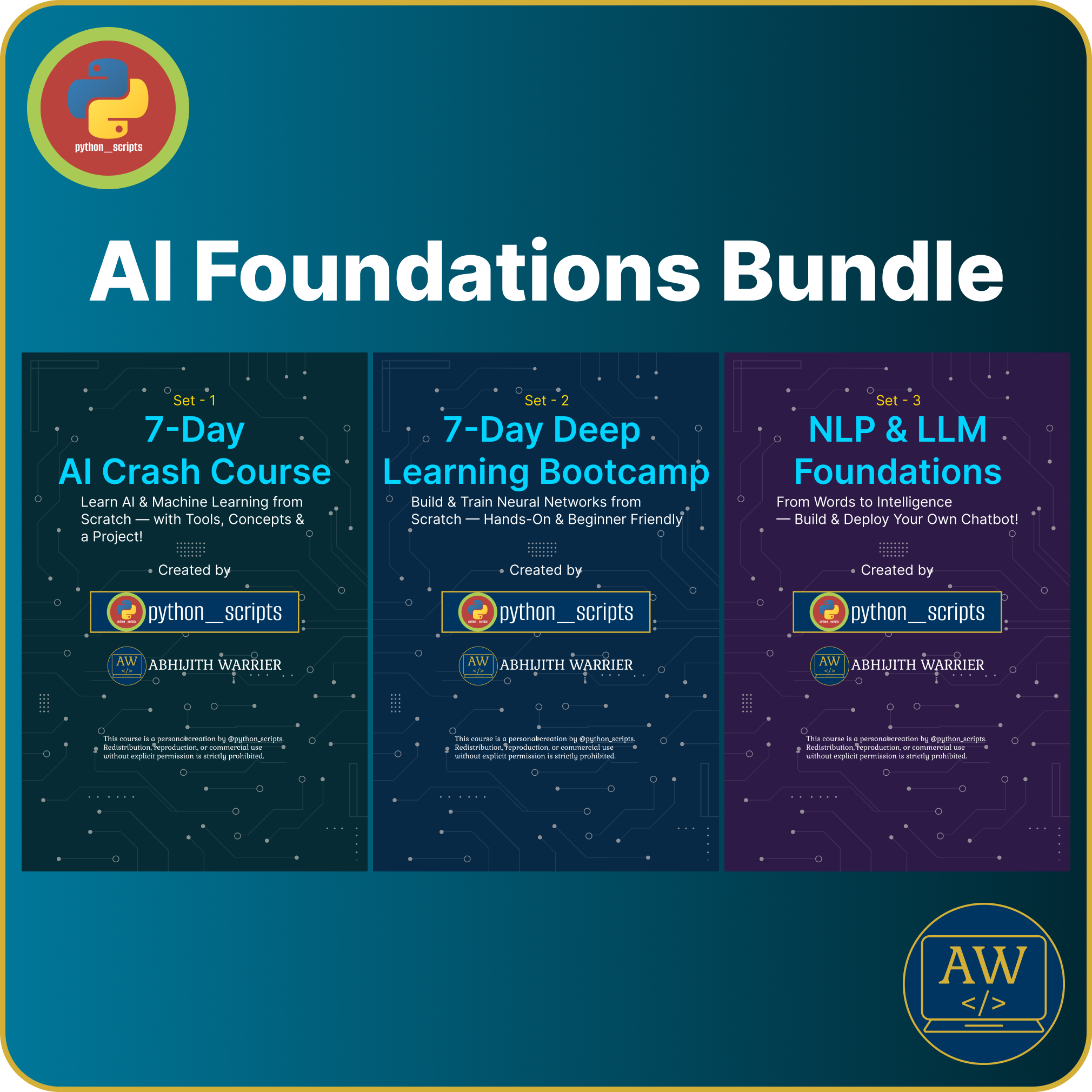
AI Foundations Bundle — From AI Basics to Deep Learning & NLP
Learn AI the right way — from core concepts to deep learning and language models, all in one structured bundle.
Ideal for beginners and developers who want a complete AI roadmap without confusion.
No comments yet. Be the first to comment!