Production Engineering: Incident Fatigue — Why Teams Stop Learning from Outages
Introduction:
Incidents are expected in complex systems.
Teams prepare for them with monitoring, alerts, runbooks, and on-call rotations. When something breaks, the system is debugged, fixed, and brought back to stability. But over time, something more subtle happens. Teams stop learning.
Not because they don’t care, but because repeated incidents create fatigue. When outages become frequent or routine, the focus shifts from understanding to recovery. The system gets fixed — but the underlying patterns remain.
Frequent Incidents Normalize Failure:
When incidents occur too often, they stop feeling exceptional.
Alerts become part of daily work. Engineers respond, resolve, and move on. What once triggered deep investigation now becomes routine handling.
This normalisation reduces curiosity. Instead of asking “why did this happen?”, teams focus on “how do we fix it quickly?”
Recovery Becomes the Only Priority:
During an incident, speed matters.
Systems need to be restored, users impacted are waiting, and pressure builds quickly. Teams optimise for fast mitigation — rollback, restart, scale up, or apply temporary fixes.
Over time, this pattern reinforces itself. Recovery is rewarded. Root cause analysis becomes secondary.
The system stabilises, but learning is deferred.
Postmortems Lose Depth:
Postmortems are meant to capture insights.
But under fatigue, they become lighter. Timelines are recorded, immediate fixes are noted, and the process moves forward.
Deep analysis requires time, focus, and energy — all of which are limited after repeated incidents. Without depth, the same categories of failures return.
Alerts Become Noise Instead of Signals:
High alert volume contributes directly to fatigue.
When systems generate too many alerts:
- engineers start ignoring non-critical ones
- signal gets buried in noise
- real issues are harder to identify
Over time, alerts lose meaning. Instead of guiding action, they become background noise.
Ownership Gets Blurred Over Time:
In fatigued systems, responsibility becomes unclear.
Multiple teams may be involved in incident response, but no one owns long-term fixes. Issues are patched rather than resolved.
Without clear ownership, systemic improvements are delayed indefinitely.
Short-Term Fixes Accumulate as Long-Term Risk:
Temporary fixes are necessary during incidents.
However, when they are not revisited, they accumulate:
- workarounds replace proper solutions
- system complexity increases
- future incidents become harder to diagnose
Fatigue encourages short-term thinking, which increases long-term instability.
Human Factors Play a Major Role:
Incident response is mentally demanding.
Late-night pages, high-pressure debugging, and repeated interruptions reduce cognitive capacity. Engineers become less inclined to deeply analyze issues after resolution.
Fatigue is not just technical. It is psychological.
Breaking the Cycle Requires Intentional Effort:
Teams do not recover from incident fatigue automatically.
They need to:
- reduce alert noise
- prioritise meaningful postmortems
- assign clear ownership for follow-ups
- create time for system improvement
Without deliberate action, the cycle continues.
Learning Must Be Designed Into the System:
Learning cannot depend on energy alone.
Processes should ensure that insights are captured even when teams are tired. Structured reviews, shared learnings, and tracked action items help convert incidents into improvements.
Systems improve when learning is systematic, not optional.
Conclusion:
Incident fatigue doesn’t happen because teams stop caring.
It happens because constant pressure shifts focus from understanding to survival. When this continues, systems remain fragile despite repeated fixes.
Resilient organisations are not those that avoid incidents, but those that continue learning from them — even when it is difficult.
Comments
Add Your Comment
Related Posts
Production Engineering: What Incident Timelines Don’t Show
0 18
Production Engineering: Technical Debt — When to Fix, When to Ignore
0 119
Production Engineering: Incident Management on AWS — What Actually Happens During an Outage
0 131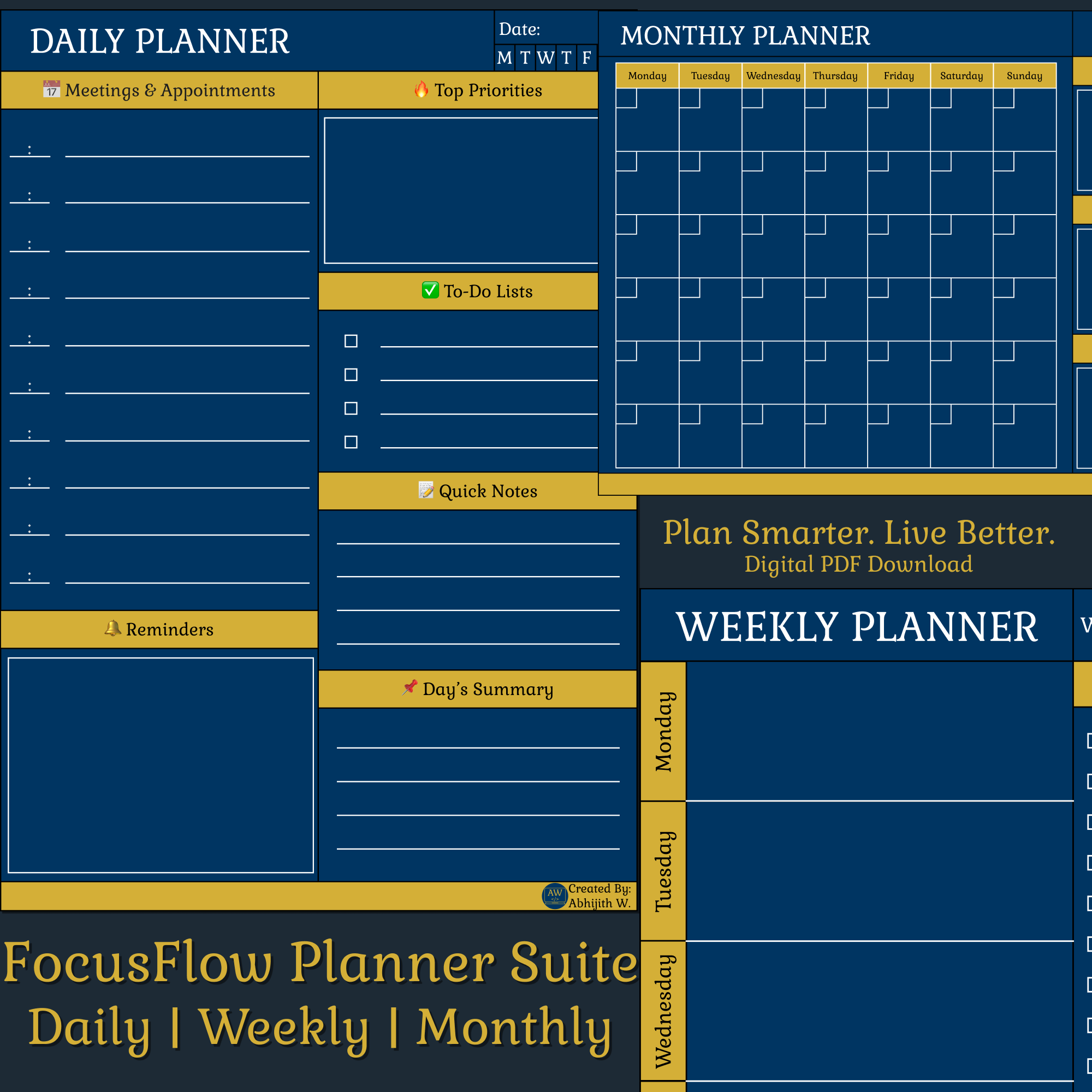
🌟 FocusFlow Planner Suite
Plan Smarter. Live Better. ✨ - Whether you need a daily action plan, a weekly focus map, or a monthly overview, this pack has you covered.
🗓 What’s Inside?
⏰Time-Blocked Daily Planner → Pre-filled 8 AM – 11 PM slots
✍️Open-Flow Daily Planner → Customizable time blocks
📅Weekly Planner → Structure your week for focus & productivity
🗓Monthly Planner → Track important events and goals at a glance
📱 Designed for Planner Apps
These PDFs are ready to import into popular digital planners. Simply add them to apps like GoodNotes, Notability, or your favorite annotation app and start writing with your Apple Pencil or stylus — no extra setup needed.
No comments yet. Be the first to comment!