Product Realities: Why Great Systems Still Fail as Products
Introduction:
A system can be technically strong and still fail as a product in the real world. Performance, scalability, and architecture alone do not guarantee success.
Products are evaluated based on how well they solve user problems. When systems are designed without aligning to real user needs, technical excellence does not translate into value.
Technical Success Does Not Equal Product Success:
Engineering teams often measure success through metrics like performance, uptime, and scalability. While these are important, they do not directly reflect whether users find value in the product.
A system can meet all technical benchmarks and still fail to solve the right problem. Product success depends on relevance, usability, and impact.
User Needs Are Often Misunderstood:
Systems are sometimes built based on assumptions rather than validated user requirements. These assumptions may seem logical but do not always match real-world usage.
When user needs are misunderstood, the system may be efficient but irrelevant. This disconnect leads to poor adoption regardless of technical quality.
Over-Engineering Can Reduce Usability:
Highly flexible and extensible systems often introduce unnecessary complexity for users. Features designed for edge cases can make the product harder to understand and use.
This complexity creates friction in user interactions. Simpler systems often deliver better experiences even if they are less technically sophisticated.
Latency and Performance Impact Experience:
From a product perspective, performance is not just a technical metric but a user experience factor. Even small delays can affect how users perceive the system.
If a system feels slow or inconsistent, users may abandon it regardless of its capabilities. Performance must align with user expectations.
Feature Focus Can Miss Core Value:
Teams may focus on building more features instead of improving core functionality. This leads to products that are feature-rich but lack clarity in purpose.
Users often prefer simple solutions that work reliably. Adding features without clear value can dilute the product’s effectiveness.
Integration Into Workflows Matters:
A system does not operate in isolation and must fit into existing user workflows. If it disrupts established processes, adoption becomes difficult.
Even powerful systems fail when they require users to change behavior significantly. Seamless integration is critical for product success.
Feedback Loops Are Often Weak:
Products improve through continuous feedback from users. Without strong feedback loops, teams may not understand how the system is being used.
This results in decisions based on assumptions rather than real insights. Over time, the product drifts away from user needs.
Maintenance Impacts Product Experience:
Ongoing issues such as bugs, inconsistencies, and unreliable behavior affect user trust. Even technically strong systems lose credibility if they are not maintained properly.
Users expect consistent performance over time. Maintenance is as important as initial development.
Product Thinking Must Guide Engineering:
Engineering decisions should be aligned with product goals. Systems must be designed with user experience, value delivery, and usability in mind.
Technical decisions without product context can lead to misalignment. Successful products require both strong engineering and clear product thinking.
Conclusion:
Great systems fail as products when they prioritize technical excellence over user value. Without alignment to real needs, even the best architectures cannot ensure success.
Product success requires understanding users, simplifying experiences, and delivering consistent value. Engineering must support the product, not define it.
 Most downloaded free PDF
50 Machine Learning Algorithms Cheatsheet
Blueprints of Intelligence — 50 ML Algorithms decoded
Most downloaded free PDF
50 Machine Learning Algorithms Cheatsheet
Blueprints of Intelligence — 50 ML Algorithms decoded
Enjoyed this post?
Stay in the loop
New posts + weekly digest, straight to your inbox.
Create a free account
- Save posts to your vault
- Like posts & build history
- New-post alerts
Comments
Add Your Comment
Related Posts
Product Engineering: When Feature Flags Become Technical Debt
139
Product Realities: Data Freshness Is a Product Decision, Not a Tech One
96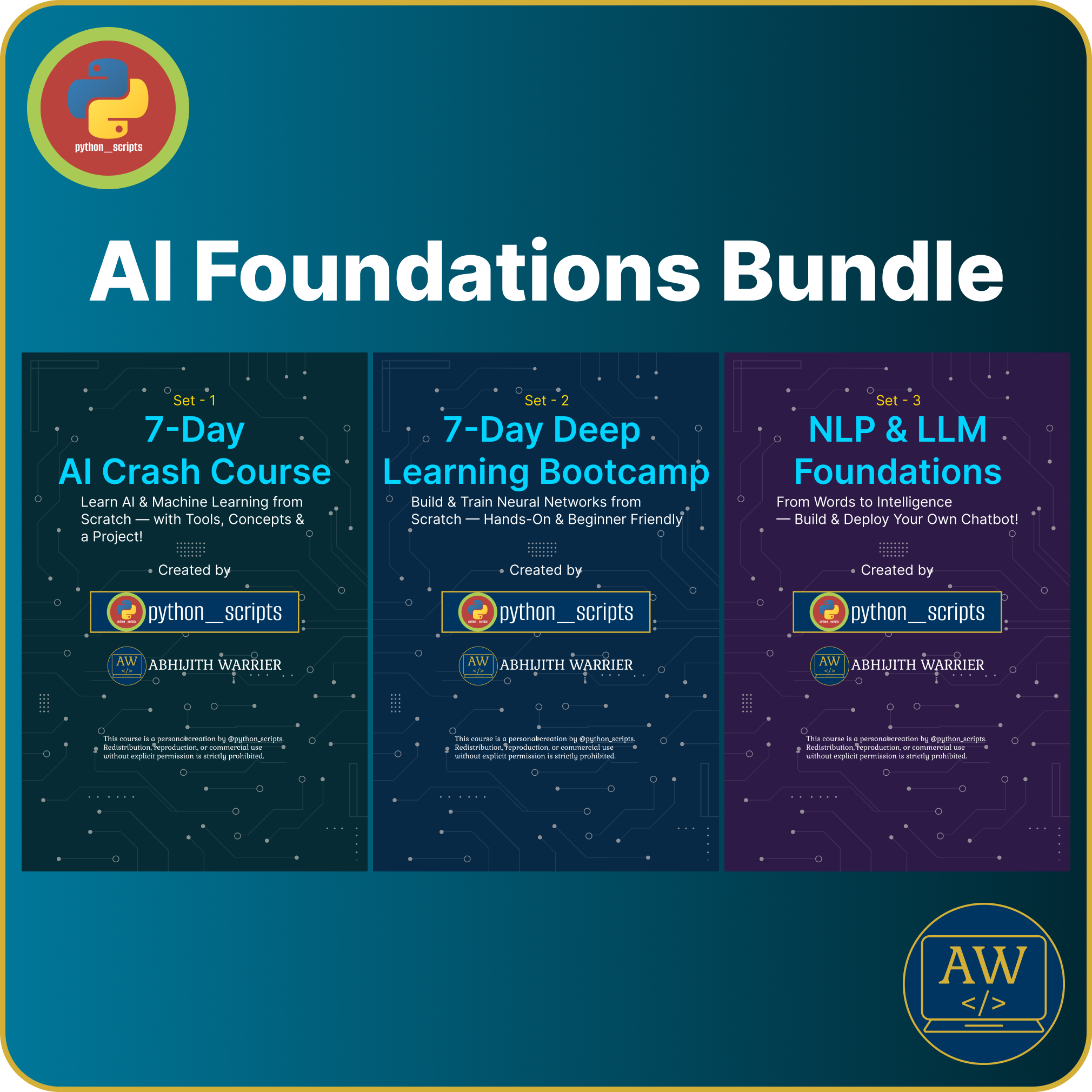
AI Foundations Bundle — From AI Basics to Deep Learning & NLP
Learn AI the right way — from core concepts to deep learning and language models, all in one structured bundle.
Ideal for beginners and developers who want a complete AI roadmap without confusion.
No comments yet. Be the first to comment!