
Career Realities: The Truth About Becoming a Staff Engineer
Introduction:
Many engineers view the Staff Engineer role as the next natural step after becoming a Senior Engineer. On the surface, it appears to be a promotion based on deeper technical expertise and broader experience.
In reality, the transition is much more significant than most people expect. Moving from Senior Engineer to Staff Engineer requires a shift in scope, influence, and decision-making rather than simply becoming better at writing code.
The biggest surprise for many engineers is that technical skill remains important, but it is no longer the primary differentiator.
Staff Engineers Operate Beyond Individual Projects:
Senior Engineers are typically responsible for delivering within a team or a specific technical domain. Their impact is often measured through the systems they build and the problems they solve directly.
Staff Engineers operate at a broader level. Their decisions influence multiple teams, platforms, or business areas simultaneously.
The focus shifts from completing projects to shaping how projects are designed, executed, and connected across the organization.
Influence Becomes More Important Than Authority:
Unlike management roles, Staff Engineers usually do not have direct reporting responsibility. They cannot rely on organisational authority to drive decisions.
Instead, they succeed through influence. They align teams, build consensus, and help organizations move toward better technical outcomes.
This requires strong communication and credibility. Even the best technical solution is ineffective if teams are unwilling to adopt it.
Technical Depth Is Expected, Not Exceptional:
Many engineers assume Staff Engineers are simply the strongest coders in the company. While technical excellence is important, it is often considered a baseline expectation at this level.
The differentiator is the ability to apply technical expertise across larger and more complex organisational challenges.
Staff Engineers are valued not just because they understand systems deeply, but because they know where technical decisions create the most impact.
The Scope of Problems Changes Dramatically:
As engineers progress, the nature of the problems they solve changes. Early in a career, success often comes from solving implementation challenges.
Staff Engineers spend more time solving ambiguity than implementation details. They deal with architecture direction, platform strategy, organisational constraints, and long-term technical evolution.
These problems rarely have obvious answers and often involve competing priorities.
Cross-Team Collaboration Becomes a Daily Requirement:
Most large technical challenges extend beyond a single team. Architecture decisions, platform improvements, and operational changes often affect multiple groups simultaneously.
Staff Engineers spend significant time coordinating across teams to ensure alignment. They help reduce duplication, resolve conflicting approaches, and create shared technical direction.
Success depends heavily on collaboration rather than individual execution.
Communication Becomes a Core Technical Skill:
At higher levels, communication becomes inseparable from technical effectiveness. Complex ideas must be explained clearly to engineers, managers, product teams, and leadership.
Staff Engineers write design documents, influence architectural discussions, and communicate trade-offs regularly. Much of their impact comes through clarity rather than implementation.
Poor communication limits influence regardless of technical ability.
Decision-Making Happens Under Uncertainty:
Many Staff-level decisions must be made before complete information is available. Future requirements, scaling needs, and organisational priorities are often unclear.
Waiting for perfect certainty is rarely practical. Staff Engineers must evaluate trade-offs, manage risk, and make decisions that can evolve over time.
Their role is not to eliminate uncertainty but to navigate it effectively.
Systems Thinking Becomes Essential:
Senior Engineers often focus on optimising individual services, applications, or workflows. Staff Engineers must understand how these pieces interact across the broader ecosystem.
A change that improves one team may create problems elsewhere. Decisions must be evaluated based on overall system impact rather than local optimisation.
This broader perspective is one of the defining characteristics of Staff-level engineering.
Mentorship Expands Beyond Technical Guidance:
Staff Engineers frequently help shape engineering culture and technical standards. They mentor engineers, review architectural approaches, and share lessons learned across teams.
Their influence extends beyond project work into organisational growth. Helping other engineers become more effective multiplies their impact significantly.
This mentorship role often becomes a major part of the position.
Visibility Increases Along With Responsibility:
As scope grows, decisions become more visible across the organization. Architectural mistakes, platform issues, and strategic choices often affect a larger number of teams.
This visibility brings additional responsibility. Staff Engineers must consider long-term consequences more carefully because the impact of their decisions is amplified.
The role requires balancing technical ambition with organisational practicality.
The Transition Is About Scale of Impact:
Many engineers approach the Staff role by trying to become more technically advanced. While continuous learning is valuable, technical depth alone is rarely enough.
The real transition involves increasing the scale of impact. Instead of solving bigger technical problems personally, Staff Engineers enable better outcomes across systems, teams, and organizations.
Impact becomes measured by influence and leverage rather than individual output.
Conclusion:
The truth about becoming a Staff Engineer is that the role is less about writing more sophisticated code and more about creating broader technical impact. Success comes from influence, systems thinking, communication, and organisational awareness.
The engineers who thrive at this level are not necessarily the ones who know the most technology. They are the ones who consistently help organizations make better technical decisions at scale.
 Free PDF on this topic
AI/ML Interview Questions
Your essential prep kit for AI/ML interviews.
Free PDF on this topic
AI/ML Interview Questions
Your essential prep kit for AI/ML interviews.
Enjoyed this post?
Stay in the loop
New posts + weekly digest, straight to your inbox.
Create a free account
- Save posts to your vault
- Like posts & build history
- New-post alerts
Comments
Add Your Comment
Related Posts
Career Realities: Why Debugging Is the Core Skill of Senior Engineers
42
Career Realities: Choosing Boring Technology — A Senior Engineer’s Advantage
154
Career Realities: Why Progress Beyond Senior Developer Becomes Difficult?
179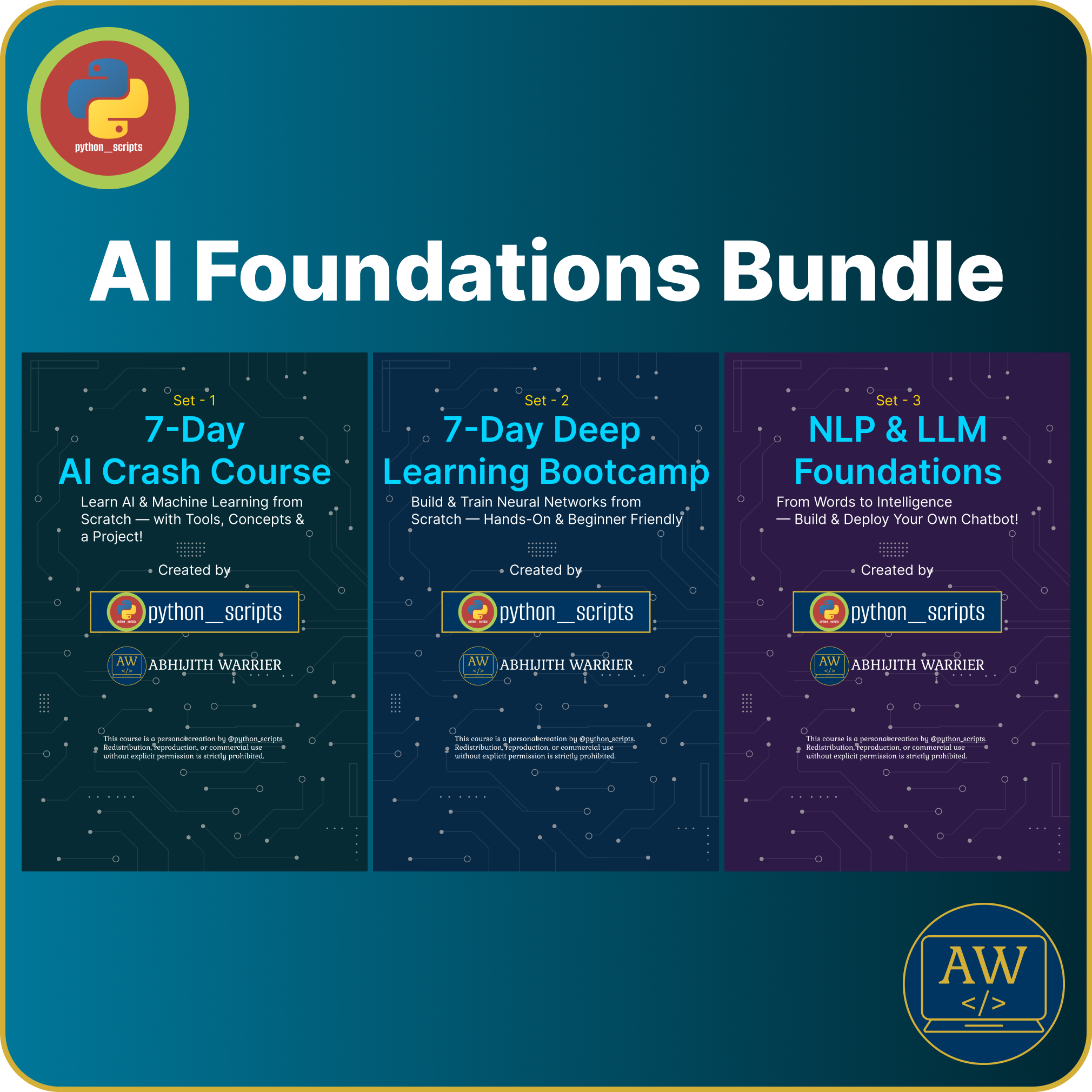
AI Foundations Bundle — From AI Basics to Deep Learning & NLP
Learn AI the right way — from core concepts to deep learning and language models, all in one structured bundle.
Ideal for beginners and developers who want a complete AI roadmap without confusion.
No comments yet. Be the first to comment!